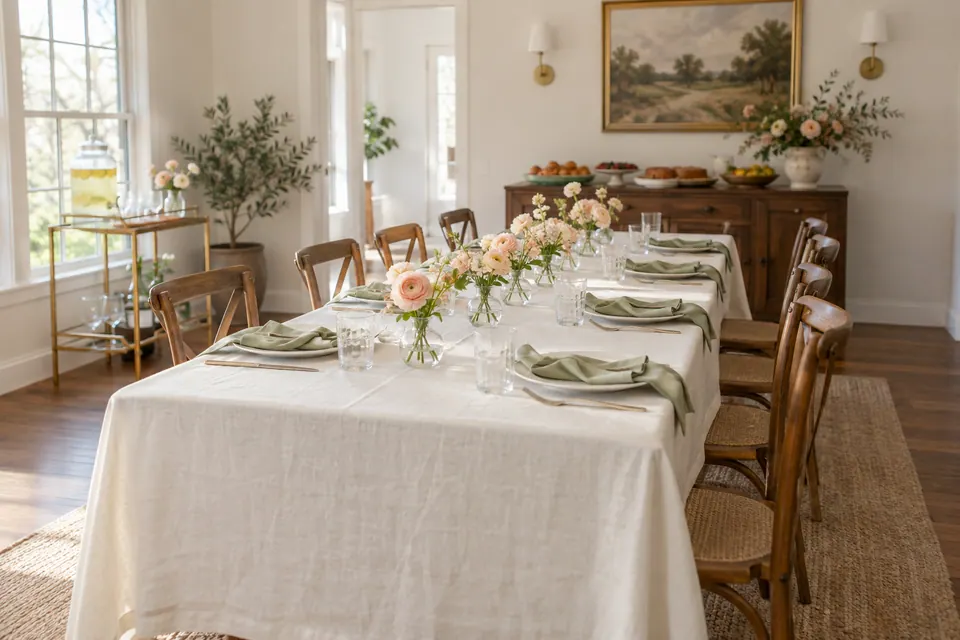
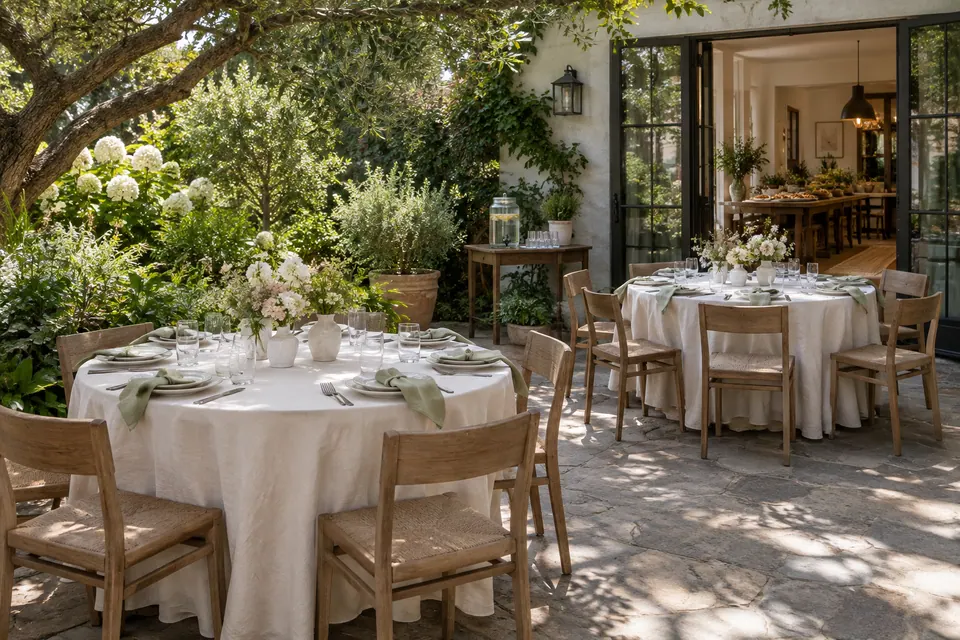
A Garden Brunch Preparation Checklist for Twelve Guests
Organize a garden brunch for twelve with portion arithmetic, a kitchen capacity check, a weather backup and a 20-task worksheet you can save and print.
Open your brunch planner ↓- The guest list
- 12 people, including the hosts
- A little preparation
- Two days of preparation plus brunch morning
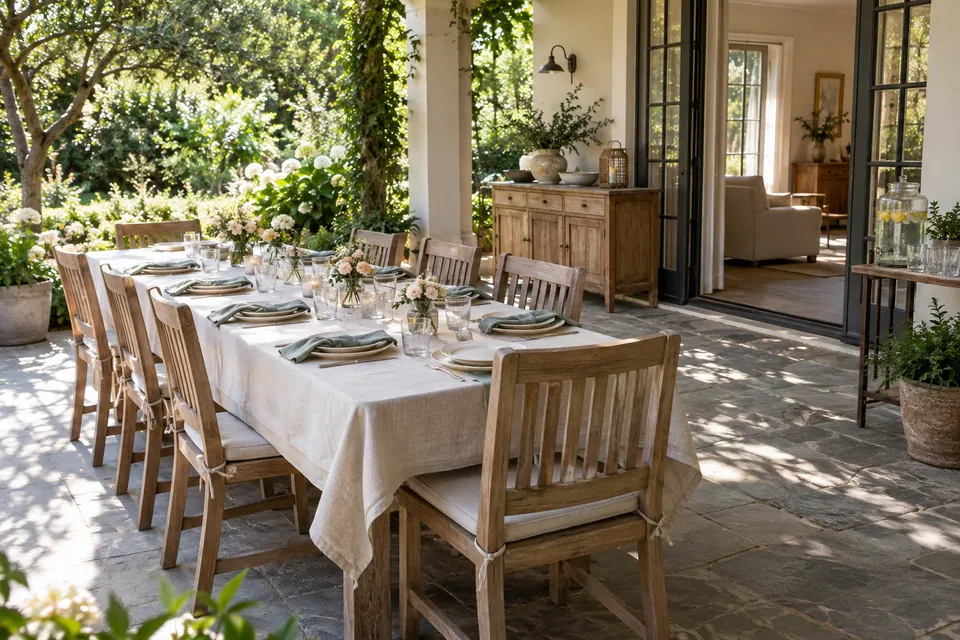
A garden brunch for twelve needs twelve usable seats, a menu that fits your kitchen and a place to go if the weather changes. Begin with those three checks. Then use the 20-task worksheet to give every job an owner, from the first guest count to returning borrowed dishes.
This is an operational plan for a mixed brunch, not a tested recipe collection. The portion estimates assume twelve people, including the hosts, eating a main dish with several accompaniments. Adjust for appetites, children, dietary needs and the length of your gathering. For a particular look and menu combination, the baby in bloom brunch guide has a twelve-person example.
Count portions before ingredients
Choose one substantial main, a fruit dish, bread and one sweet. Check the main’s stated recipe yield first. A recipe serving six needs two batches for twelve equal portions, provided you have the pans and cooking capacity it requires. A recipe serving eight gives sixteen portions in two complete batches. Decide whether those four additional portions suit your group before shopping.
| Item | Planning amount | Check before buying |
|---|---|---|
| Main dish | 12 recipe-sized portions | Recipe yield, dietary alternatives and number of pans |
| Prepared fruit | 1.5–2 kg, about 3⅓–4½ lb | Edible weight after peel and cores, about 125–167 g per person |
| Small bread rolls | 12–18 | One to one-and-a-half per person alongside the main |
| Sweet | 12 modest slices or 12–18 small pastries | Choose one format and check the bakery or recipe serving size |
| Water at the station | Two 1.5-liter jugs, with refills ready | A starting service amount, not a full-event drinking allowance |
| Hot drinks | Equipment and cups for 12 first servings | Brewing time, milk or alternatives and a place for used cups |
Merge the ingredients from your selected recipes into one shopping list. Keep pantry items on the list until you have checked the amount left in each packet. Write serving supplies separately so napkins and foil do not get lost among the ingredients.
Check the kitchen with the empty dishes
Choose a menu before assigning the kitchen jobs. The brunch menus for 8, 12 or 16 compare a cold savory board with an oven-baked option, including the fridge, pan and serving-space needs of each.
Put the pans you intend to use in the cold oven and the empty containers in the fridge before cooking day. Check whether doors close and shelves fit. This is a capacity check, not permission to change a recipe’s pan depth or cooking method.
| Dish | Yield needed | Storage | Final job | Serving pieces |
|---|---|---|---|---|
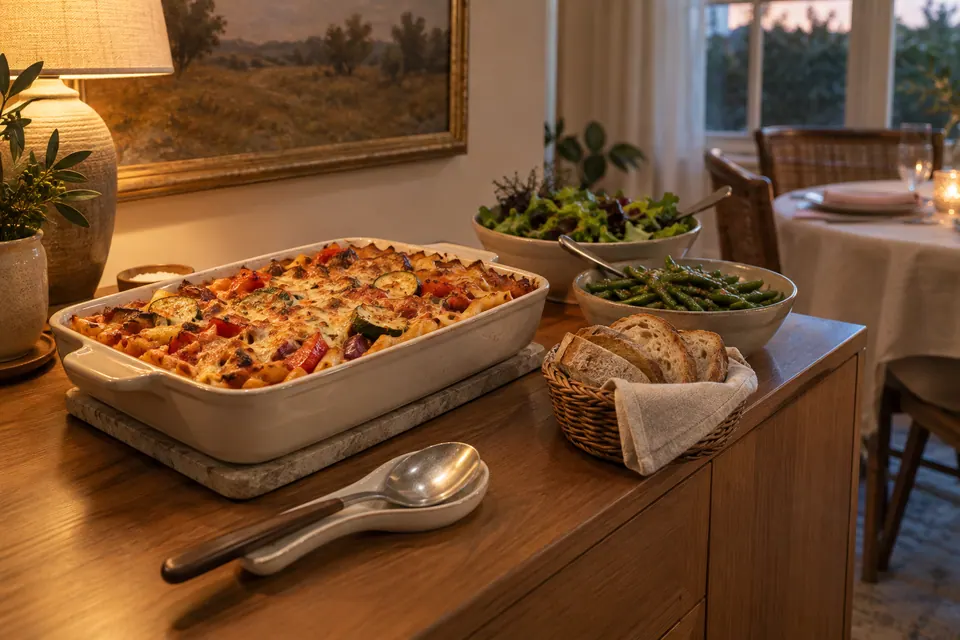
| Your chosen main | 12 portions | Space required by the recipe | Cook or finish according to its instructions | Platter or baking dish, trivet if needed, serving utensil |
| Fruit | 1.5–2 kg prepared | Covered fridge containers | Assemble near service | Small bowl, spoon and chilled refill container |
| Bread and spreads | 12–18 small rolls | Storage appropriate to each product | Arrange bread and put out small amounts of spread | Basket, small dishes and separate spreaders |
| One sweet | 12 portions | Follow recipe or supplier instructions | Slice or arrange | Plate or stand and suitable server |
If every dish needs the oven at the same time, change the menu while the shopping list is still editable. One oven-finished main with cold accompaniments can be easier to serve than several dishes that need last-minute attention. Follow the storage requirements of the actual food; a dish that looks suitable for a buffet may still need temperature control.
Two days before: settle the dependencies
Confirm the number of eaters and ask about food and access needs. Count chairs, glasses and cutlery. Borrow missing pieces now and record their owners. Put a serving utensil beside every planned dish so you can see what is missing.
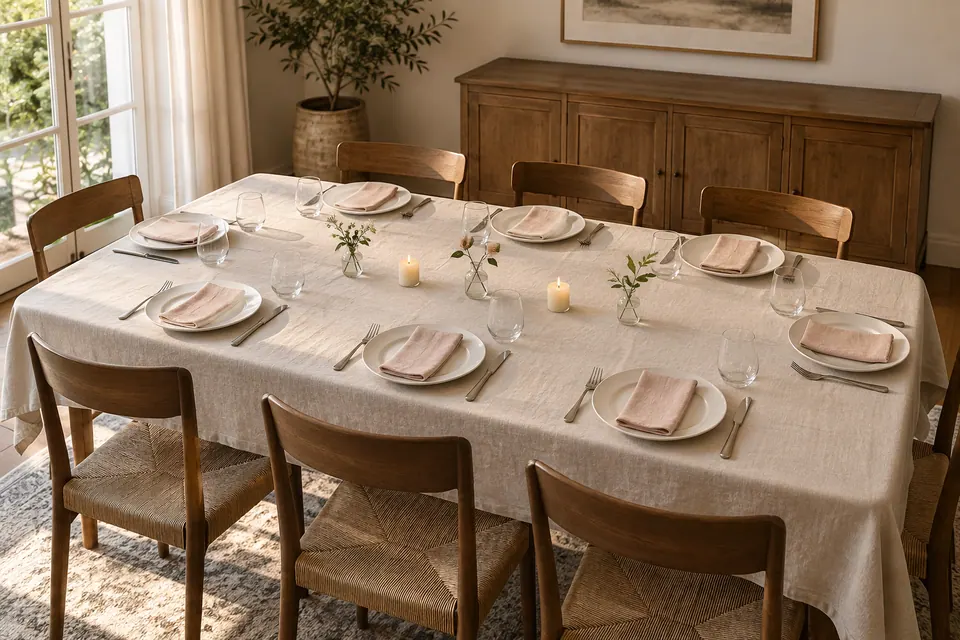
Walk from the kitchen to the table carrying an empty tray. Move anything that catches a sleeve or blocks a chair. Find a drinks position where someone filling a glass will not stand in the food route. Our table setting guide for eight explains how to check space around individual places; apply the same measurement method to your actual twelve-person layout.
Choose a weather decision time early enough to move furniture and notify guests before they travel. The right time depends on your setup and guest journeys. Rain, uncomfortable heat, strong wind or unsafe conditions should lead to the usable indoor alternative, not extra weights on a centerpiece.
The day before: prepare components and space
Wash and prepare only the ingredients your chosen recipes say are suitable for advance work. Do not assume every dish can sit assembled overnight. Label covered containers and leave a clear place for the final cooked dish or delivery.
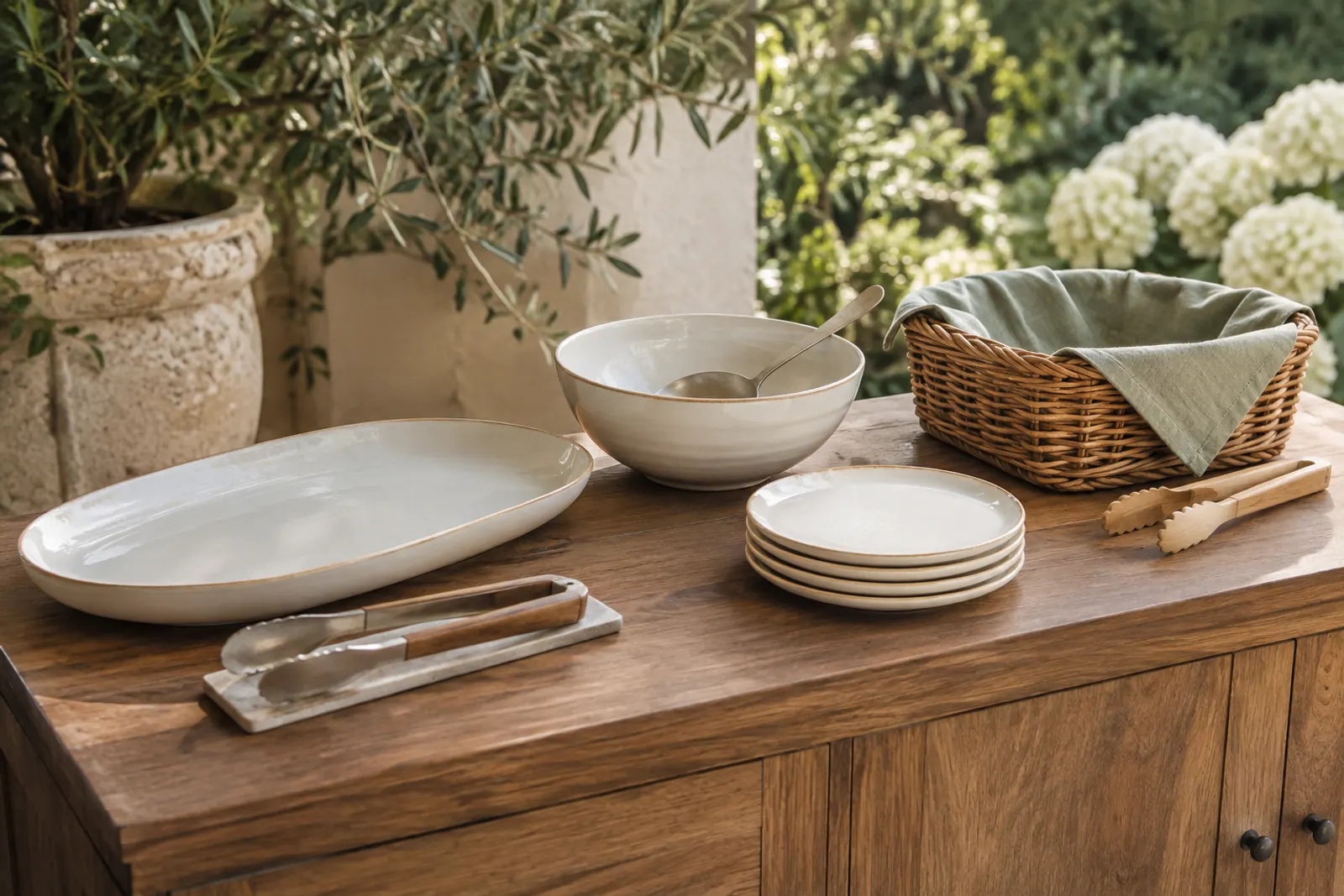
Set out nonperishable supplies indoors: twelve settings, spare napkins, serving dishes, utensils and containers for leftovers. Leave table linens inside overnight. Put menu labels with the correct dishes and keep ingredient information nearby. If someone has an allergy, agree on the food and handling arrangements directly with them rather than relying on a decorative label.
Write the morning cooking order from the recipes, including preheating, preparation, cooking and resting where specified. Choose the first start time from the longest sequence. The two-hour example below is for furniture and service tasks; start cooking earlier if your menu requires it.
Brunch morning: separate cooking from setup
| Window | Setup job | Leave for later |
|---|---|---|
| At your weather decision time | Choose the outdoor or indoor layout and notify guests of changed instructions | Keep food stored while moving furniture |
| About 2 hours before | Position seats and shade, clear routes and check the bathroom | Keep paper details protected until the setting is ready |
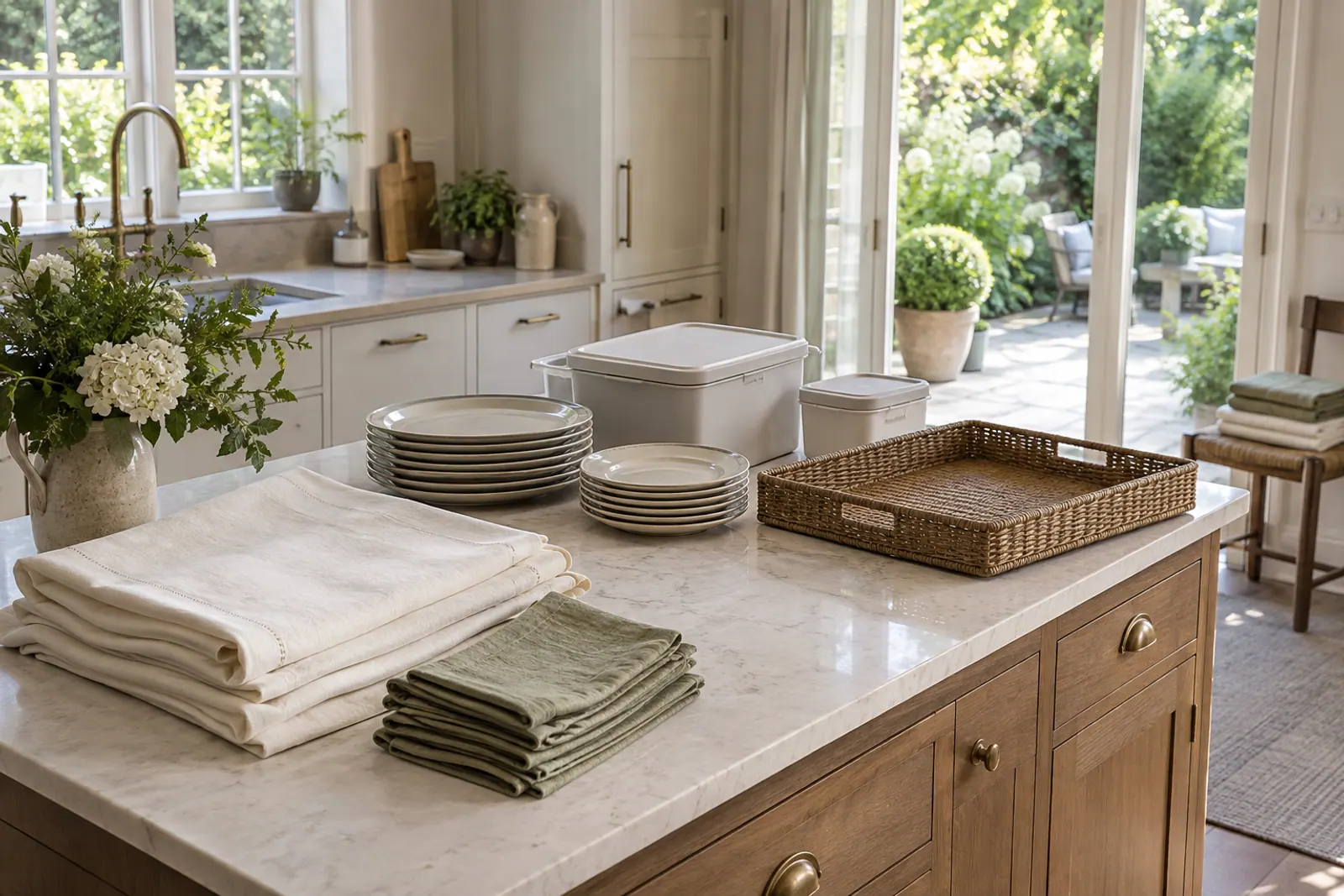
| About 1 hour before | Set places, arrange empty serving pieces and establish the drinks station | Keep temperature-sensitive food in appropriate storage |
| Just before arrival | Fill water jugs, finish food as its recipe requires and put out small first servings | Keep refill portions appropriately chilled or hot |
| During brunch | Replenish in small amounts and keep the route clear | Leave decorative adjustments unless something is unstable |
Give a helper one complete responsibility, such as checking water and used cups throughout brunch. “Help in the kitchen” leaves both people guessing. If you are hosting alone, simplify the service so the doorbell does not compete with a time-sensitive cooking step.
Use the buffet table layouts to choose between one wall-side serving line and two matching island lines. Set the empty dishes in place first, then check the route while carrying a plate before assigning the refill job.
Keep an outdoor food clock
Record when each perishable dish leaves temperature control. Use smaller serving dishes and keep refills in suitable storage. A cover helps protect food from debris; it does not keep it safely cold. Follow the time and temperature limits in FDA’s guidance on serving safe buffets. Shorten the service window when hot weather makes safe holding more difficult, and store suitable leftovers promptly.
Close with food, equipment and one useful note
Handle food storage first, then collect dishes and check borrowed pieces against the returns list. Leave flowers and linens until the kitchen is under control.
Write one practical observation for next time: whether a dish ran short, which pan occupied too much fridge space or where the drinks queue formed. Record what happened rather than a vague score for the party. Those details can improve your next shopping list without adding another recipe or decoration.
Save or print the twenty-task plan
Use the worksheet below to assign owners and track completion. Entries are stored in this browser when local storage is available and are not submitted to Fête & Fig. The garden brunch print sheet reads the same entries here. Print it or use your browser’s Save as PDF option for a static copy. Choose the dates and times around your menu and forecast.
Your garden brunch task planner
Use this checklist with the menu you have chosen. Assign one person to each row and keep recipe-specific cooking and storage instructions beside the kitchen schedule.
Add names and tick off completed tasks. Your entries stay in this browser. On a small screen, scroll the table sideways.
| Done | When | Task | Owner | Finished when |
|---|---|---|---|---|
| 1 week before | G01Confirm the number of guests, including every host eating brunch. | The working head count is recorded. | ||
| 1 week before | G02Ask about food preferences and access requirements. | Specific arrangements are agreed. | ||
| 1 week before | G03Choose one menu and record each dish yield. | Main portions cover the guest count. | ||
| 1 week before | G04Measure the dining and serving areas, indoors and outdoors. | Both arrangements fit the required seats. | ||
| 1 week before | G05Check fridge shelves, oven space and serving equipment. | The menu fits the equipment available. | ||
| 3 days before | G06Combine recipe ingredients and purchased dishes into one shopping list. | Shared ingredients are totalled once. | ||
| 3 days before | G07Confirm chairs, plates, glasses and borrowed pieces. | Missing pieces have an owner and collection time. | ||
| 2 days before | G08Shop for shelf-stable items and confirm fresh-food pickup. | Orders, quantities and collection times are checked. | ||
| 2 days before | G09Write a cooking order using the actual recipes. | Oven temperatures and active jobs do not clash. | ||
| The day before | G10Make the weather decision and tell helpers which layout to use. | One arrangement is confirmed. | ||
| The day before | G11Wash and dry tableware, serving utensils and food containers. | Each serving dish has a matching utensil. | ||
| The day before | G12Prepare name cards, the menu and any optional activity. | Names and printed quantities are correct. | ||
| The day before | G13Complete recipe-approved preparation and label refrigerated items. | Food is stored according to its instructions. | ||
| Before cooking starts | G14Clear worktops and arrange ingredients in cooking order. | The first task can begin without searching for equipment. | ||
| Before guests arrive | G15Set seats, shade, drinks and the indoor backup. | Paths remain clear with chairs pulled out. | ||
| Before guests arrive | G16Put labels and serving utensils beside their assigned dishes. | Guests can identify food and serve it easily. | ||
| At serving time | G17Bring out suitable first portions and keep refills stored correctly. | Each perishable dish has a serving-time plan. | ||
| During brunch | G18Refill water and clear used items without rushing guests. | The host has time to sit down. | ||
| After serving | G19Store suitable leftovers promptly and separate waste. | Food handling follows the chosen storage guidance. | ||
| After the gathering | G20Wash borrowed pieces and arrange their return. | The return list is complete. |
Count portions, seats and serving pieces before shopping. Make the indoor plan usable and assign the final jobs to named people.
Checklist from this story
0 / 7 ready