Baby Shower Planning Checklist: Two Timelines and an Event-Day Agenda
Plan a baby shower with two timelines, an event-day agenda, a 24-task browser checklist with named owners and free Letter or A4 host worksheets.
Use your 24-task checklist ↓- A little preparation
- Choose the longer or shorter route, then write actual dates beside the tasks

The useful part of a baby shower planning checklist is not the number of boxes. It is knowing which decision unlocks the next task, who owns it and when it must be finished. “Order food” is vague. “Morgan confirms the final lunch count with the caterer on Tuesday, after Alex closes the RSVP list” gives two hosts something they can actually use.
This plan includes a longer preparation route, a shorter route, an example baby shower timeline, a three-page printable worksheet and a 24-task browser checklist. The dates and times are editorial planning examples, not etiquette requirements. Move them to suit the guest of honor, the venue, travel and real supplier deadlines. Keep one checklist as the shared record rather than maintaining competing versions in several message threads.
Make five decisions with the guest of honor
Have this conversation before selecting a theme or promising a particular activity. Ask what would make the gathering comfortable: the preferred date and duration, who should be invited, whether children or partners are included, whether gifts will be opened, and whether any games are wanted. Do not assume the answers from the word “shower.”
Then choose a lead host who can hold the current guest list and approve changes. A co-host can own the menu or setup without becoming a second source of invitation details. Write down the spending limit, who pays which costs and how any shared purchases will be settled. Confirm the room’s actual capacity and access before treating the guest list as final.
For a mixed group, explain the plan in practical terms: named invitees, food, timing, activities and any space limitations. “Coed” by itself does not say whether children or extra guests are included. The baby shower invitation wording guide has examples for communicating those details.
Give every task an owner and a prerequisite
| Task | Complete after | Named owner | Record as complete when |
|---|---|---|---|
| Confirm date, duration and guest preferences | A conversation with the guest of honor | Lead host | The agreed details are written in one place |
| Confirm space and spending limit | A draft guest count and access needs | Lead host and payer | Capacity, costs and any booking terms are checked |
| Send invitations | Confirmed time, address, guest policy and RSVP contact | Guest-list owner | Every intended guest has received the same details |
| Close the first guest-count review | The stated RSVP deadline | Guest-list owner | Yes, no and unresolved replies are separated |
| Confirm food quantities and serving plan | The guest-count review and relevant food requirements | Menu owner | Quantities, order deadlines and service responsibilities are written |
| Prepare activity materials | The guest of honor approves the activities | Activity owner | Instructions, materials and any prizes are together |
| Prepare the room | The seating, service and activity plan | Setup owner | The walkway, chairs, supplies and welcome point are checked |
| Run the gathering | Helpers receive the current agenda | Lead host | Each handoff has an owner and backup |
| Close down and hand over records | Departures and the final gift-record check | Close-down owner | Borrowed items, remaining supplies and records have destinations |
An unresolved prerequisite should stop the dependent purchase. Do not order thirty favors while the room can seat twenty and the guest policy is undecided. If one task is urgent, simplify its scope rather than pretending its prerequisite no longer matters.
Follow the longer preparation route
Use this example when you have roughly six to eight weeks. A venue or supplier may require more time; check those dates first. The lead host should translate every relative deadline into an actual calendar date on the worksheet.
- Six to eight weeks before: agree on the preferences, guest list, budget and space. Check any booking or order lead times. Choose a style from the baby shower theme guide after those constraints are known.
- Four to six weeks before: send confirmed invitation details. Set the RSVP deadline earlier than the food or rental deadline, leaving a deliberate window to contact unresolved guests.
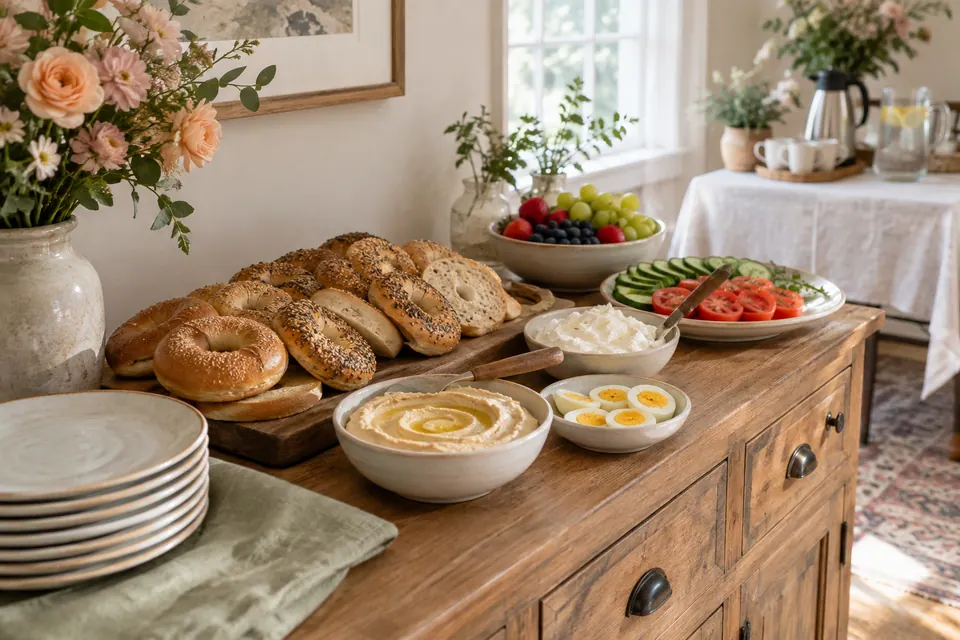
- Two to three weeks before: review replies, confirm the menu approach and choose activities. Assign equipment and serving tasks. Use the baby shower brunch menu for food planning, rather than building a second menu in this checklist.
- One week before: reconcile the guest count with the orders. Prepare printed pieces, activity packs and the event-day handoffs. Check collection and delivery arrangements directly with each supplier.
- One or two days before: finish tasks that can reasonably be done ahead, place nonfood supplies together and confirm helpers. Follow each food item’s actual storage instructions.
- Event day: run the room check and short briefing, then follow the agenda with room for conversation.
Use the shorter route when the date is close
With about two weeks, the order of decisions stays the same. What changes is how much custom work you can safely promise. Choose available supplies, a manageable menu and one optional activity. Avoid a long list of personalization jobs that depends on unanswered invitations.
Days 14 to 12: complete the guest-of-honor conversation, confirm the space and budget, then invite guests with the final details. Check whether their schedules make the proposed date workable. Days 11 to 8: collect replies, resolve the count and confirm available food and equipment. Set a real response date based on the orders you can still make. Days 7 to 3: prepare one activity, printed materials and the helper handoffs. Days 2 to 1: check deliveries, quantities and the room plan. On the day, use the same agenda below.
If the shorter route has an unconfirmed venue, a large group or a supplier deadline already passed, reduce the guest list or change the format before sending promises. A small, clear gathering is easier to host than a complex plan held together by hoped-for replies.
Finish the room check before arrivals
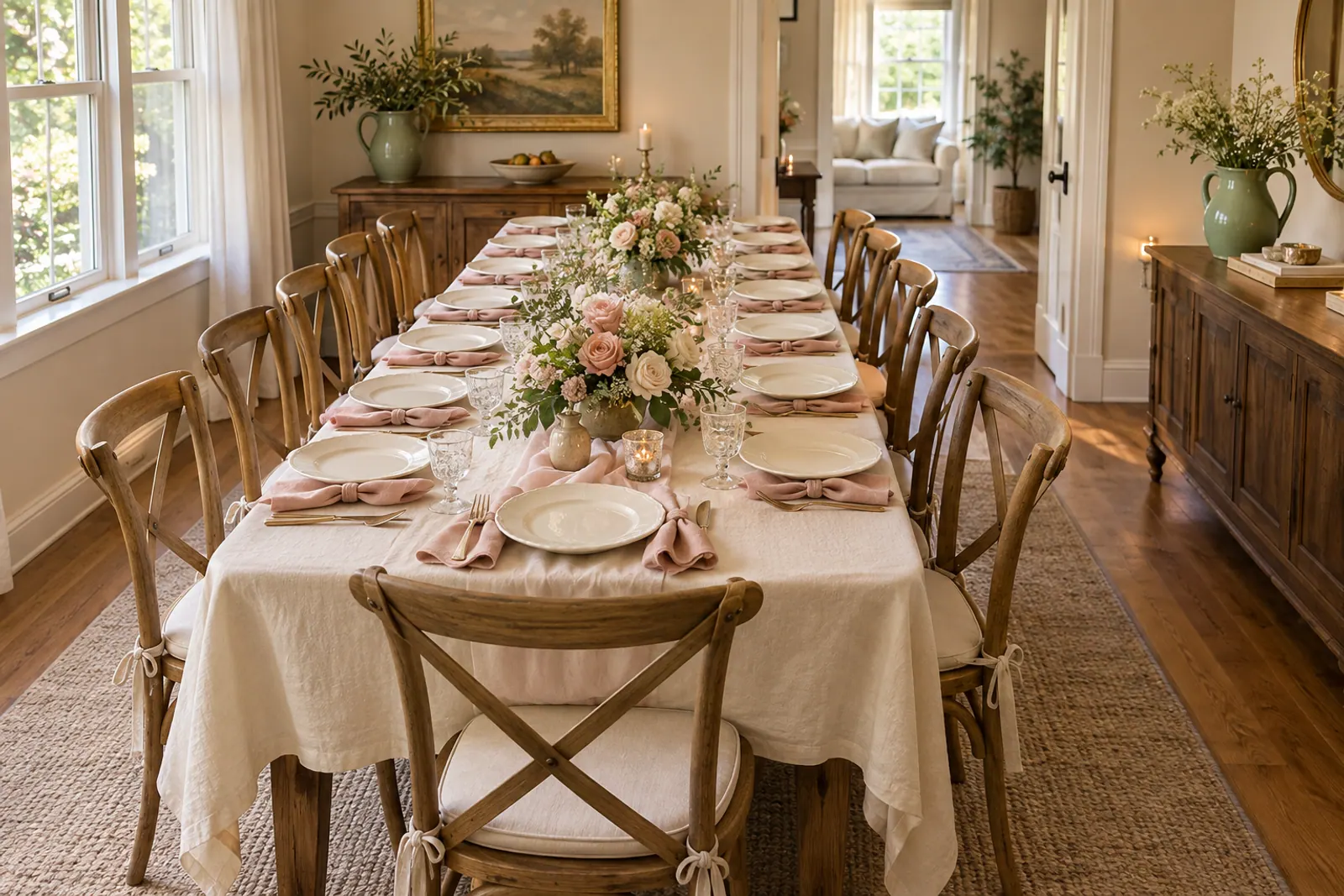
Give a helper a specific circuit: enter through the guest doorway, find the welcome point, reach a chair, reach the food and drinks, and locate the restroom. Confirm any access requirements directly with the guests who raised them. Move the actual chairs and serving furniture into place; a neat drawing cannot prove that a walkway is usable.
Set out activity supplies where they will be used and keep a spare pencil nearby. Decide where gifts go and who records them if gifts will be opened. Place a chair for the guest of honor where they can participate without becoming responsible for directing every transition.
Make a quick count of clean plates, cups and utensils against the confirmed group. Put reserve supplies where the serving helper can find them. If favors are part of the plan, let the baby shower favors guide handle their recipient count and distribution. This checklist only records the person responsible and the handoff time.
Assign handoffs for the event-day agenda
The following is a two-hour example, starting at 2 p.m. The order matters more than the clock. Leave a transition buffer instead of filling every minute with an activity.
| Time | What happens | Owner's handoff | If the plan changes |
|---|---|---|---|
| 1:15 p.m. | Room, supplies and service check | Setup owner tells the lead host what remains | Lead host cuts optional decoration work first |
| 1:45 p.m. | Helpers' short briefing | Each helper confirms their next task and backup | Reassign an absent helper's essential task |
| 2:00 to 2:20 | Arrivals and conversation | Welcome helper introduces late arrivals quietly | Keep arrivals open while food begins |
| 2:20 to 3:00 | Food and conversation | Menu owner tells the host when the next activity can begin | Shorten or omit the optional game |
| 3:00 to 3:20 | One agreed activity | Activity owner explains rules and clears materials | Use a quiet written activity or continue conversation |
| 3:20 to 3:45 | Gifts, if wanted, or more conversation | Gift-record helper keeps names with the correct gifts | Leave gifts unopened and hand over the record later |
| 3:45 to 4:00 | Thanks and departures | Welcome helper gives the final reminder and any favors | Close the scheduled program without rushing individual goodbyes |
| After 4:00 | Close-down and record handover | Close-down owner checks borrowed items and recipients | Write a return date for anything left behind |
Use the baby shower games guide to choose and prepare the activity itself. Gift opening is optional; it should not become a surprise obligation because it appears in an example agenda.

Keep guest changes and helper changes visible
The guest-list owner should update one live count and send a short change note to the menu and setup owners. A late yes may affect a chair, food, a printed card and a favor, so “one more person” needs a handoff. Do not invite an extra person on behalf of the guest of honor without checking the guest policy.
If a helper is absent, transfer their task together with the location of its supplies and its next deadline. “Could you handle the game?” leaves too much missing. “The game pack is in the sage folder, the instructions are on top and it can be skipped if lunch runs long” is enough for another person to make a sensible decision.
After the gathering, pass the guest and gift notes to the person sending thanks. Use the personal thank-you examples and private tracker to turn those actual details into a reply and record notes after sending. Keep only information needed for that handover; do not share private addresses, food requirements or family details in a public download or group post.
Download the host checklist and agenda
Choose the free US Letter worksheets or A4 worksheets. The three pages cover decisions and dependencies, actual due dates and task owners, and an event-day agenda with handoffs. They are blank paper worksheets, not an online RSVP service or a stored guest database. Print portrait at actual size and keep the current copy with the lead host.
Use the 24-task browser checklist
The interactive checklist below turns those decisions into 24 tasks, each with a suggested role and a visible finish point. Add the real helper’s name, then tick the task when its finish point is met. The suggested timings follow the longer route; the shorter route keeps the same task order with your own actual dates on the paper worksheet. Check each prerequisite yourself: ticking a box records your decision and does not approve a purchase or verify that an earlier task is complete.
Names and completion marks are saved on this device when browser storage is available. They are not sent to us and do not sync between helpers, devices or browsers. Keep private guest contacts, gift records and food details in your own separate record. Choose one working browser copy; if helpers need a handoff, print its current state rather than asking them to maintain separate copies.
Use the checklist’s Print this plan button for a current paper copy. The standalone print view uses the same tasks and saved entries in this browser. Without JavaScript, its task table remains readable and you can fill in a printed copy. The three-page PDFs above provide the separate fields for actual dates, dependencies and the event agenda.
Baby shower planning questions
What should be planned first? Agree with the guest of honor on the date, guest group, duration and activities. Confirm the space and spending limit before sending invitations or ordering guest-count-dependent items.
How long should a baby shower last? The agenda here is a two-hour example. Choose a duration with the guest of honor and tell guests the start and end time. A meal, travel or a larger group may call for a different plan.
Can I plan a baby shower in two weeks? A small gathering may fit the shorter route if the space, guest availability and supplies are confirmed. Reduce custom work and check supplier deadlines before committing.
Do I need separate checklist, timeline and agenda documents? They serve different stages of one plan. Keep them in one packet: the checklist names the tasks, the preparation timeline places them on dates, and the agenda assigns the event-day handoffs.
Your baby shower task planner
Give each task one named owner and check its finish point before ticking it off. These suggested timings belong to the longer preparation route; for the two-week route, keep the same decision order and write actual dates on the accompanying paper worksheets. Completion marks are your record, not an automatic dependency check.
Add names and tick off completed tasks. Your entries stay in this browser. On a small screen, scroll the table sideways.
| Done | When | Task | Owner | Finished when |
|---|---|---|---|---|
| 6 to 8 weeks before | S01Ask the family which honorees, duration and gathering format they want. | The people celebrated and their preferences are confirmed. | ||
| 6 to 8 weeks before | S02Agree on named invitees, partners, children and any quieter participation choices. | The guest policy is clear before the list grows. | ||
| 6 to 8 weeks before | S03Ask about gifts, reuse, requested help, photos and optional gift opening. | Only the family-approved preferences enter the invitation and agenda. | ||
| 6 to 8 weeks before | S04Choose the date with the family and essential helpers. | One start time, end time and date are agreed. | ||
| 6 to 8 weeks before | S05Check the actual seating, bathroom access and indoor alternative. | The proposed group fits and raised access needs are checked. | ||
| 6 to 8 weeks before | S06Agree on a spending cap, payers and supplier deadlines. | No purchase depends on an unconfirmed contribution. | ||
| 4 to 6 weeks before | S07Confirm contacts and invitation details after date, space and guest policy are settled. | Names, address, timing and reply contact match the approved plan. | ||
| 4 to 6 weeks before | S08Set the reply date before order cutoffs and send the same details to each invitee. | The follow-up window fits the real supplier deadlines. | ||
| 2 to 3 weeks before | S09Separate yes, no and unresolved replies; include eating hosts in the working count. | The menu and setup owners receive one current count. | ||
| 2 to 3 weeks before | S10Agree on food and access arrangements privately with the relevant guests. | Only the helpers who need each detail receive it. | ||
| 2 to 3 weeks before | S11Choose the menu and check dish yields, fridge space and serving equipment. | The meal fits the confirmed count and actual kitchen capacity. | ||
| 2 to 3 weeks before | S12Count owned and borrowed chairs, cups, plates and linens. | Each shortfall has a source and collection owner. | ||
| 2 to 3 weeks before | S13Choose one optional activity with the family and state its prize and tie rules. | Instructions, participation choices and award counts are agreed. | ||
| 1 week before | S14Decide whether favors or wish cards are wanted and who will collect keepsakes. | Each chosen extra has an owner; unwanted extras are omitted. | ||
| At each supplier cutoff | S15Follow up unresolved replies and confirm the final food and equipment order. | Order counts reflect the current agreed guest list. | ||
| 1 week before | S16Assign welcome, food, setup, activity and close-down jobs with backups. | Every essential handoff has one named owner and a backup. | ||
| 1 week before | S17Share the event-day agenda and the location of each helper pack. | Helpers know their arrival time, next cue and supply location. | ||
| 2 days before | S18Prepare game sheets, name cards and any needed prize or keepsake supplies. | Printed text, quantities and the announced tie rule are checked. | ||
| At the weather checkpoint | S19Choose the agreed indoor or outdoor plan and communicate a changed address or route. | Guests and helpers have the same current arrangement. | ||
| The day before | S20Confirm pickups, borrowed-item labels and supplier storage instructions. | Each collection and return has a responsible person. | ||
| Before guests arrive | S21Walk the welcome, seating, food and bathroom route with the actual furniture in place. | Essential supplies and the family seating are ready. | ||
| During the gathering | S22Follow the agreed handoffs, pass late changes on and keep activities optional. | The family can participate without directing every transition. | ||
| After the gathering | S23Close down, store food as directed and separate borrowed items from family keepsakes. | Every remaining item has an owner and destination. | ||
| The next day | S24Hand the correct gift and guest records to the person sending thanks; arrange returns. | The agreed recipient has the records and borrowed items have return dates. |
A baby shower checklist works when each task has one named owner, an actual due date and a clear prerequisite. Agree on the guest of honor's preferences first, then confirm the room, invitation details, guest count and event-day handoffs in that order.
Checklist from this story
0 / 9 ready